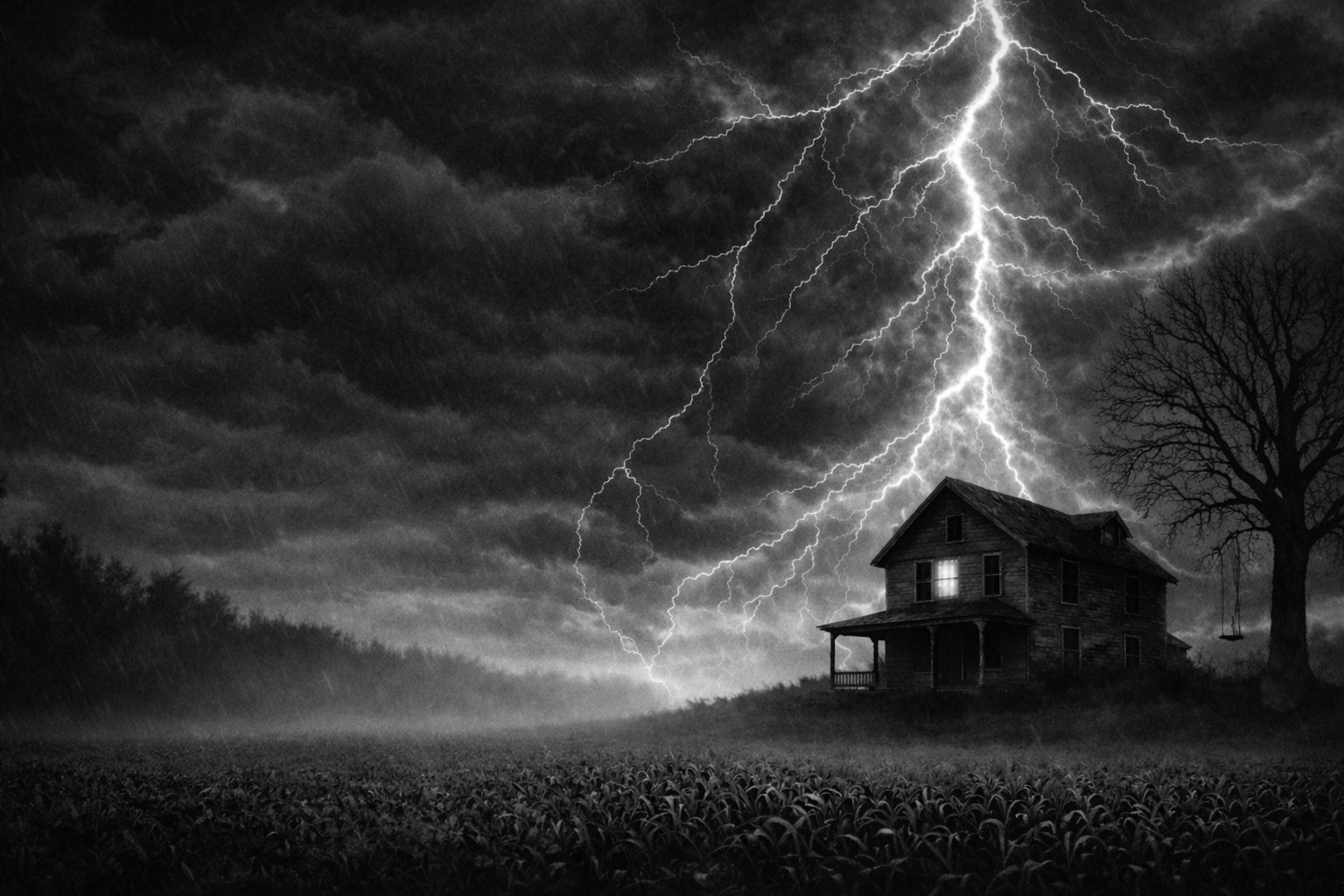
A haunted house doesn't chase you.
It simply waits.
Haunted houses frighten us because they corrupt the place that should be safest: our home. In haunted house horror stories, the building itself becomes hostile, trapping its occupants and turning familiar spaces into threats. This psychological inversion — where safety becomes danger — is what makes haunted houses one of the most powerful settings in gothic horror.
Why do haunted houses terrify us more than almost any other horror setting?
Ghosts are frightening.
Monsters are terrifying.
But haunted houses are different.
The reason lies in haunted house psychology — the strange way horror stories turn the safest place in our lives into the most dangerous.
From the earliest gothic haunted houses in nineteenth-century fiction to modern films and novels, the idea of a house that remembers, watches, and waits continues to disturb us in ways few other horror tropes can.
But why are haunted houses so scary?
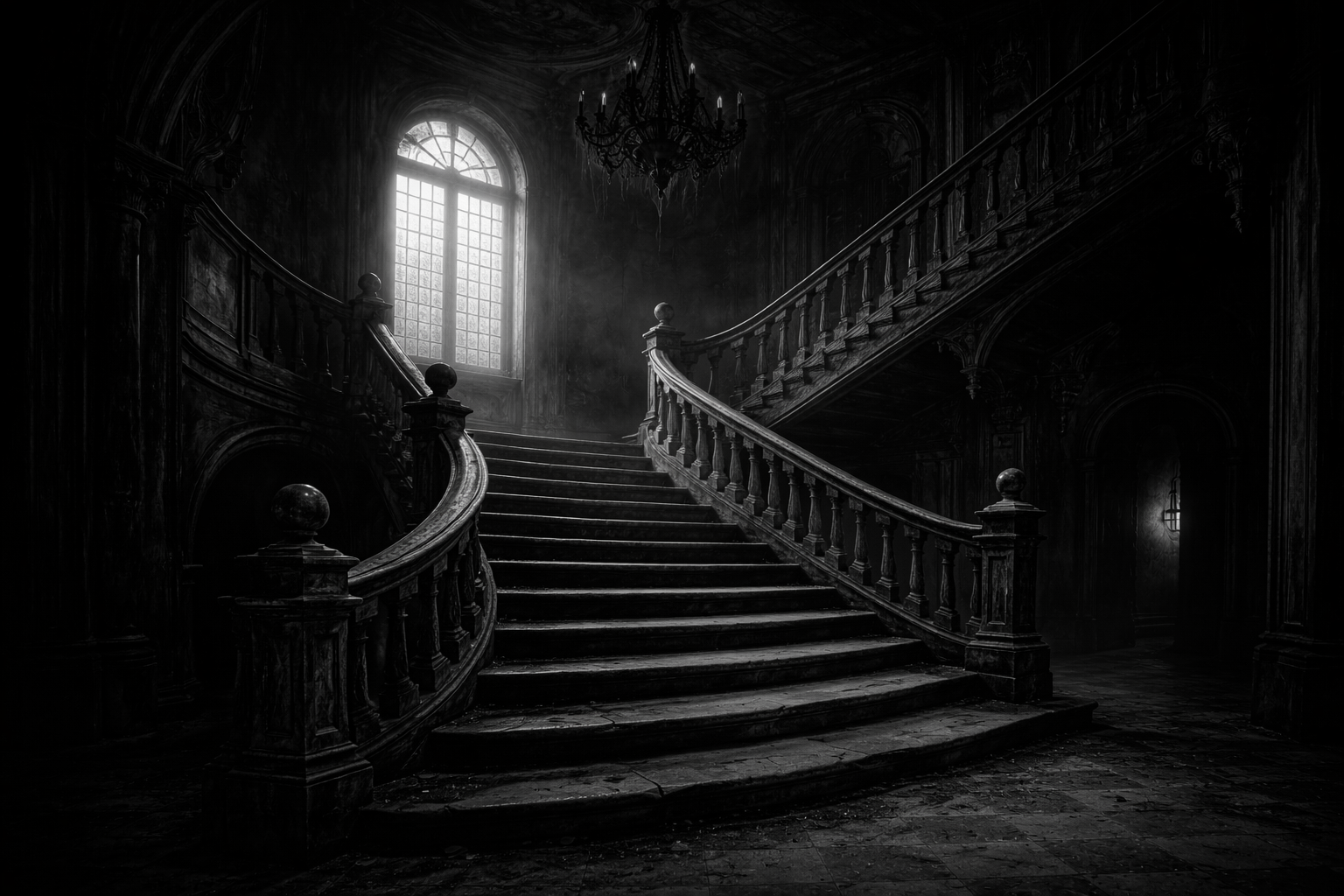
The architecture of haunted houses often becomes a character in its own right.
Home Is Supposed to Be Safe
To understand why haunted houses are scary, we have to begin with one simple truth: our homes are meant to protect us.
For thousands of years, the home has been humanity's shelter against the dangers of the outside world.
When horror fiction introduces the idea that the house itself has turned hostile, something fundamental breaks. The walls that were supposed to protect us suddenly feel like a trap.
This is one of the most powerful elements in haunted house horror stories — the place that should offer safety becomes the source of fear.
Haunted House Psychology: When Buildings Become Characters
One reason gothic horror haunted houses work so well is that they behave almost like living things.
In many classic stories, the building develops a kind of personality.
Doors close on their own.
Rooms seem to change shape.
Footsteps echo through empty corridors.
In these moments, the house stops feeling like architecture and begins to feel like a presence.
This idea sits at the heart of haunted house symbolism: the building becomes a reflection of the people living inside it.
In Shirley Jackson's The Haunting of Hill House, the building is described as "not sane."
In Stephen King's The Shining, the Overlook Hotel feeds on the emotional weaknesses of its occupants.
The setting itself becomes the antagonist.
Haunted Houses Remember
Another powerful element of haunted house stories is the idea that buildings remember what has happened inside them.
Violence.
Secrets.
Grief.
Trauma.
This concept appears repeatedly in gothic horror themes, where the past refuses to stay buried.
Old houses carry marks of earlier lives — worn steps, scratched doors, forgotten photographs.
These small traces remind us that someone lived here before.
And horror asks a chilling question:
What if those people never really left?
The Fear of Being Trapped
The most unsettling element of haunted house tropes may be the sense of containment.
You can run from something in the woods.
You can escape a monster stalking the streets.
But in haunted house stories, the danger surrounds you.
Doors slam shut.
Windows refuse to open.
Corridors twist into darkness.
The house itself becomes a maze.
This idea connects strongly to the psychology of horror, where fear grows from the feeling that escape may be impossible.
Why Haunted Houses Still Terrify Us
So why do haunted houses terrify us generation after generation?
Because they corrupt something deeply familiar.
A house is supposed to belong to us.
But in the best horror stories, the truth is far more disturbing.
The house was never ours.
We were only ever passing through it.
When the House Chooses You
Many of the most powerful gothic horror haunted houses share one final idea.
The house doesn't want everyone.
It wants someone specific.
Someone vulnerable.
Someone imaginative.
Someone who will listen.
If you enjoy gothic horror and stories where the setting itself becomes a character, you might enjoy my novel THE HOUSE — a modern gothic horror tale about a writer who moves his family to an isolated farmhouse, only to discover the building has been waiting for them — and may have plans of its own.
Because sometimes…
The house isn't haunted.
Sometimes…
The house is hungry.
This article is part of the Origins of Horror series exploring why certain stories continue to terrify us.
If you enjoy exploring the psychology behind horror storytelling, you might also like:
Week 1: The Origins of Horror — Where Gothic Fear Began
How the earliest gothic writers created the foundations of modern horror fiction.
Read Week 1 →Coming Next:
Why Ghost Stories Still Terrify Us